

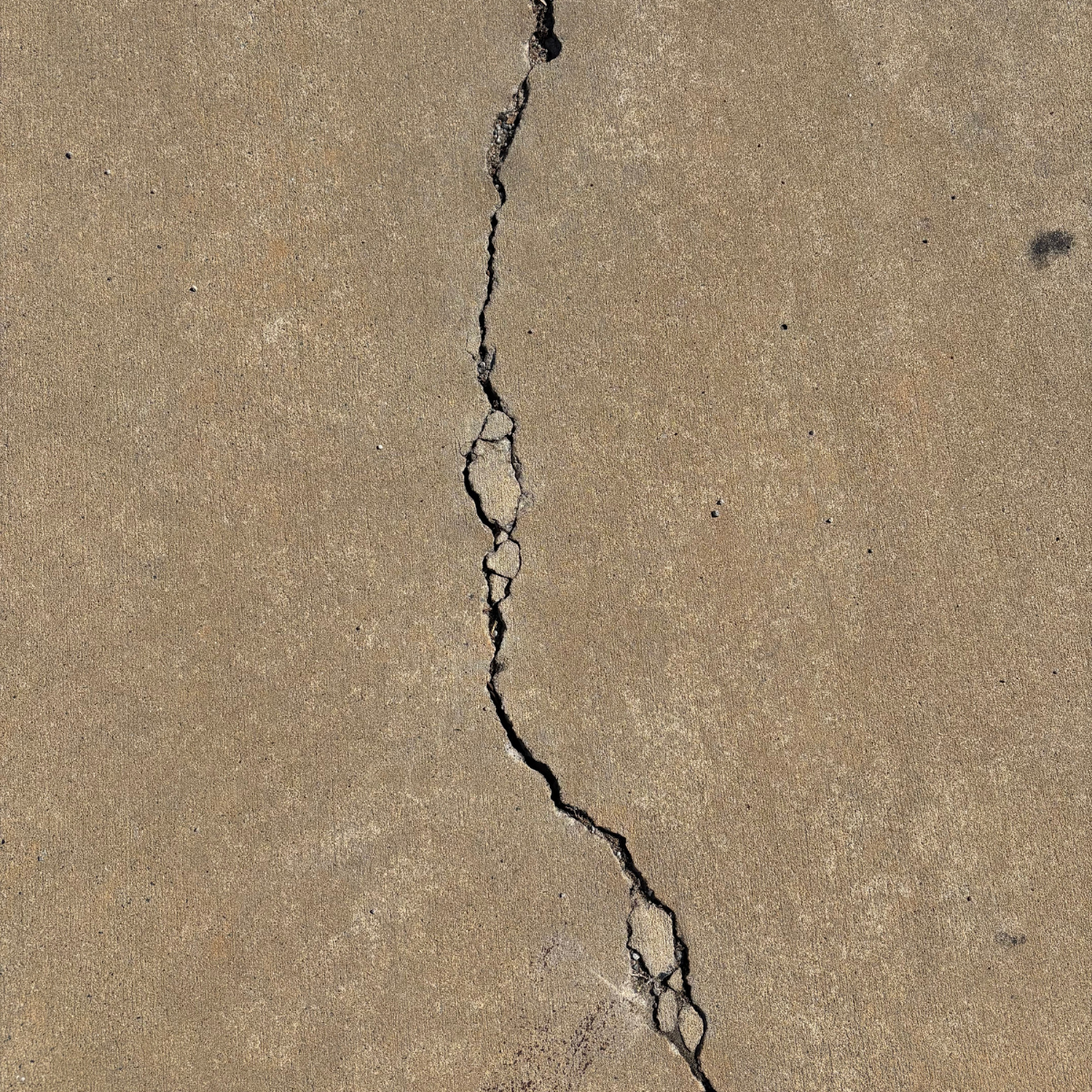
Concrete slabs are strong, familiar and widely used across Perth. They carry load well and they look clean when new.
But they all share one weakness.
They are rigid.
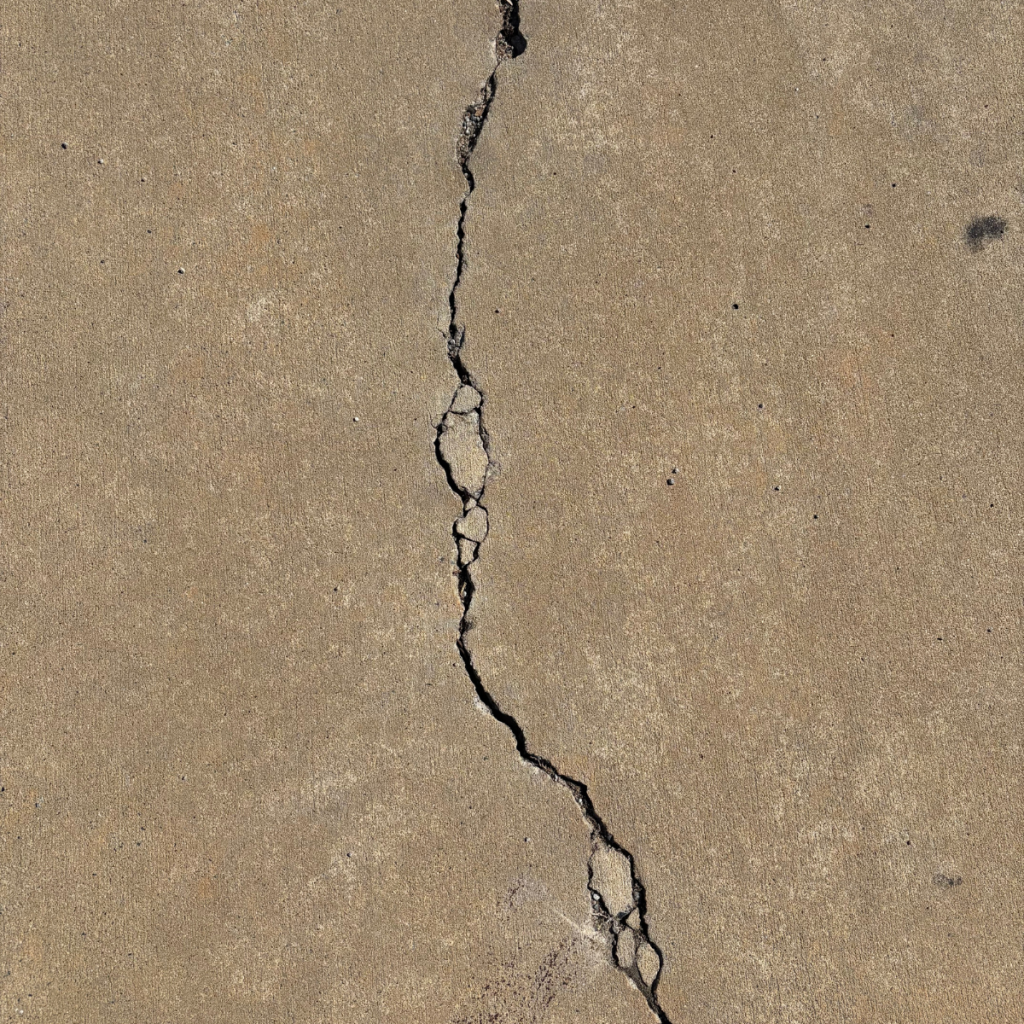
Movement, heat and shrinkage create tension inside a slab and that tension eventually becomes a crack.
That is where Rombus is different.
Rombus is a flexible concrete pavement system designed to handle the conditions that make traditional slabs fail.
Rombus Is Modular. A Slab Is Monolithic.
A traditional slab is poured as one continuous structure.
When the ground moves or the temperature shifts, the entire slab must absorb the stress as one rigid piece.
Rombus works in segments.
Each grid is one metre by one metre and forty millimetres thick. The system interlocks to form a continuous surface, but the underlying structure is modular.
This modular layout allows Rombus to handle small amounts of movement without cracking across the surface.
The load is spread through the grid. The stress does not concentrate at a weak point the way it does in a slab.
Rombus Uses Less Concrete With Higher Performance
A traditional slab is often one hundred millimetres to one hundred and fifty millimetres thick.
Rombus uses a thin profile.
The grid is forty millimetres thick and is infilled with a high strength thirty two MPa concrete mix with ten millimetre aggregate.
Even at this low profile, the system is tested to withstand more than ten thousand tonnes per square metre of load when filled.
This means less concrete, less carbon impact and faster installation without giving up strength.
Rombus Is Made From Recycled Australian Plastic
Traditional slabs are made entirely from cement based materials.
Rombus is made from ninety six percent recycled Australian polypropylene with carbon black for UV stability.
This gives the grid high impact resistance, high flexural strength and long term durability in Perth heat.
The material is non toxic, chemically resistant and locally produced in Adelaide.
Handles Heat Better
Concrete holds heat.
Thick slabs expand rapidly in summer and contract at night which creates internal stress and surface cracking.
Perth’s temperature swings make this cycle even harsher.
The Rombus system has a much lower thermal mass.
The thinner profile heats and cools faster and the modular design allows the surface to move without breaking.
This is why Rombus performs so well in Western Australia’s climate.
Removes the Need for Traditional Control Cuts
Concrete slabs rely on saw cuts to control where cracking will occur.
These cuts weaken the slab at set locations so it can break in a straight line instead of randomly.
Rombus does not require control cuts because the system is already divided into one metre panels.
This prevents the long continuous tension paths that cause cracks to travel across the surface.
Works With the Ground Instead of Against It
Slabs try to resist movement.
Rombus absorbs it.
This is the key difference.
Rombus does not change what concrete is. It changes the way concrete behaves by supporting it inside a flexible recycled plastic structure that spreads load and controls stress.
In Perth where temperatures rise, soils shift and heavy machinery is common, this flexibility is a major advantage.
Verified Rombus Facts
All data comes directly from the Rombus V2 specification.
- Grid size 1000 x 1000 x 40 mm
- Weight approximately 5.35 kg
- Material 96 percent recycled polypropylene
- Infill concrete 32 MPa with 10 mm aggregate
- Tested load capacity greater than 10,000 tonnes per square metre
- Manufactured in Adelaide with head office in Perth